
Tell me what you are trying to build, fix, govern, prove, or launch, and I will point you to the public Folium page that fits. It uses public routes only, so do not send private data here.
Agent workforce
Agents built for real jobs.
Folium Systems designs agents as scoped workers with tools, permissions, logs, and human review points. The goal is a controlled assistant that knows its job, its boundaries, and when to hand work back to a person.
Operating comparison
Compare the narrow tool path with the Folium operating path.
This route can include models, retrieval, automation, or software, but the buyer outcome is broader: a controlled operating capability with human review, records, launch gates, and ownership.
| Operating question | Narrow tool path | Folium Systems path |
|---|---|---|
| What is being built? | A standalone tool, prompt, chatbot, connector, or single AI feature. | Agents built for real jobs. as one service lane connected to workflow software, trusted knowledge, agents, APIs, governance, proof, and operating handoff. |
| How is control preserved? | Control is often added later through settings, policy notes, or manual cleanup. | Control is designed into source registers, permission maps, human gates, logs, blocked actions, recovery paths, and launch rooms. |
| How does the business know it is ready? | Readiness may depend on a demo, vendor promise, or isolated answer-quality check. | Readiness is proven through reviewable surfaces, scorecards, browser checks, known limits, support ownership, rollback triggers, and evidence records. |
Agent control loop
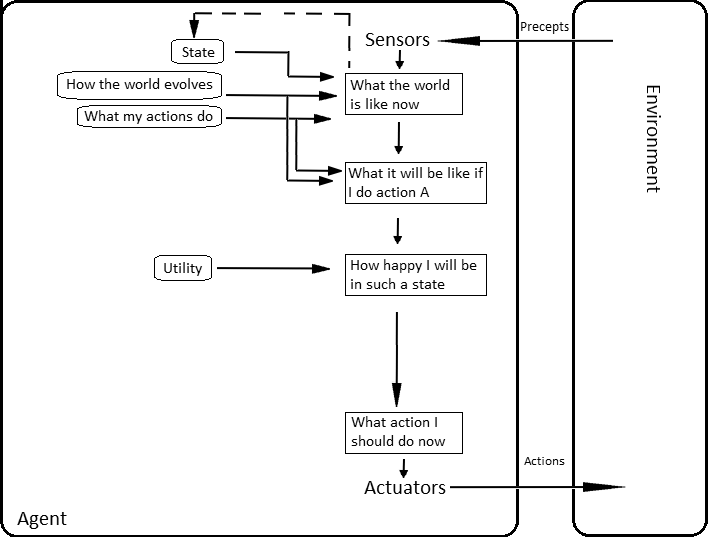
Agents need a job, a model of the work, and a review path before tools.
Folium treats agents as scoped workers with state, source access, tool permissions, escalation rules, logs, and human review points.
Every agent role has allowed sources, blocked actions, and success criteria.
Tool use expands only after the review path is proven.
Outcomes feed evaluation, repair, and safer next releases.
Agent workforce charts
Agents need roles, permissions, and review paths before they need autonomy.
Folium designs agent workforces around job lanes: what the agent may see, draft, route, recommend, or never touch without a human decision.
Agent role stack
Agent work becomes safer when each role is narrow enough to inspect and strong enough to help.
Guide
Advisor and explainer
Helps staff understand process, options, policies, and next steps.
Finder
Retriever and classifier
Finds sources, sorts records, tags tickets, and prepares context.
Builder
Drafting and workflow support
Drafts responses, forms, code, checklists, or operating notes.
Router
Escalation and handoff
Moves work to the right person, queue, system, or approval gate.
Blocked
No silent authority
No sensitive execution without explicit policy and review.
Agent authority map
The business should know exactly which agent behaviors are safe, which require review, and which are blocked.
Allowed Explain and retrieve
Approved public guidance and approved source lookup.
Review Draft and recommend
Human approval before customer, financial, legal, or operational effect.
Scoped Route and update
Only inside approved workflows with logs and rollback.
Blocked Unapproved execution
No money, identity, legal, employment, or provider action without live gates.
What Folium Builds
Clear systems, reviewable records, and a path your team can operate.
Role, tool, and permission design
Agents need job descriptions. We define the task, allowed tools, sources, success signals, and permissions before connecting them to real work.
- Agent role and task design
- Tool and permission scoping
- Browser, document, support, data, and operations agents
- Open-source agent framework integration
- Open-source agent evaluation lab
- Agent lifecycle ledger
Review where judgment matters
Agent systems become safer when human approval, escalation, consensus, logging, and fallback behavior are designed into the process.
- Human review and escalation points
- Multi-agent review patterns
- Consensus and challenge lanes
- Agent logs and improvement loops
- Framework runtime-class and repeatability review
- Promotion, parking, and retirement notes
Agent operating loop
Agents work safely when every job has boundaries and review.
Folium designs agents as accountable workers: named task, approved tools, allowed sources, action limits, human review points, and improvement records.
- 01 Assign job Define the agent role, success criteria, user, sources, and work it must not perform.
- 02 Route task Send work to the right agent, model, retrieval path, tool, or human owner.
- 03 Use tools Allow only approved browser, document, support, data, API, or operations tools.
- 04 Review action Require human approval, consensus, challenge, or escalation where judgment matters.
- 05 Learn safely Log outcomes, misses, costs, edge cases, and improvement requests before the next release.
Review Point
Agents have scoped jobs and tool access.
Folium packages this as visible review material so owners, staff, and reviewers can decide whether to refine, launch, pause, or expand.
Review Point
People keep judgment points.
Folium packages this as visible review material so owners, staff, and reviewers can decide whether to refine, launch, pause, or expand.
Review Point
Open-source agents can be integrated with control.
Folium packages this as visible review material so owners, staff, and reviewers can decide whether to refine, launch, pause, or expand.
Start here
Bring the next AI step under control.
You do not need to know every model name, runtime option, or integration path. Tell us what is slow, risky, expensive, confusing, or disconnected. We will help translate it into a practical AI systems plan.
- 01 Scope
- 02 Build
- 03 Prove
- 04 Operate