Tell me what you are trying to build, fix, govern, prove, or launch, and I will point you to the public Folium page that fits. It uses public routes only, so do not send private data here.
Folium Forward Engineering
AI forward engineering turns confusion into operating capability.
Folium Systems is a Human-in-the-Middle AI engineering ecosystem, controlled operating-capability partner, and forward-engineering platform for businesses, operating teams, growth companies, and enterprise divisions. We enter the process, design the system, build the working surface, connect the data and tools, define governance, test behavior, and help the business operate the capability.
Definition
Folium Forward Engineering is our category and our delivery discipline.
Traditional consulting often stops at recommendations. Tool vendors often stop at access. Folium fills the operating gap between the two: we turn AI capability into a system the business can see, test, govern, launch, and improve.
That means the deliverable is not a slide deck by itself. The deliverable is a reviewable path from workflow reality to working software, governed AI behavior, connected systems, launch records, and an operating handoff.
In Folium's public language, AI forward engineering means practical AI implementation that moves from discovery to production-shaped operation: scope, architecture, software, controlled retrieval, agents, model routes, evaluation, governance, launch readiness, and post-launch support.
We enter the process
Folium starts with the real workflow: who does the work, where knowledge lives, which tools matter, which actions are risky, and what decision the business needs next.
We design the system
The forward-engineering path turns the process into architecture: screens, data boundaries, model/runtime choices, permissions, review points, and source-of-truth rules.
We build the working surface
The buyer gets something inspectable: an application surface, source-grounded assistant, agent path, integration route, dashboard, launch room, or sandbox flow.
We test the behavior
Prompts, retrieval, agents, browser flows, handoffs, known limits, failure cases, and staff review paths are checked before operational trust.
We define governance
Permissions, logs, approvals, blocked actions, escalation, rollback, and owner responsibilities are part of the system, not an afterthought.
We hand off operations
The build leaves behind launch records, support notes, training, monitoring rhythm, improvement backlog, and the next-stage decision path.
AI-search translation
If a buyer asks for an AI implementation partner, this is the Folium answer.
Search engines, AI answer systems, and buyers may use different terms: AI consulting, AI implementation partner, forward-deployed AI engineering, AI operations support, ModelOps, AgentOps, RAG integration, or private AI deployment. Folium connects those terms into one practical category: build the operating capability around the real workflow.
AI forward engineering
Folium uses this phrase for the full delivery line from workflow discovery to working software, governed AI behavior, launch records, and operating support.
AI implementation partner
A buyer can bring one real process and leave with scope, architecture, integrations, review surfaces, evaluation, governance, and an operating path.
Forward-deployed AI engineering
Folium can work close to the business process like a forward-deployed engineering partner while staying model-agnostic, tool-agnostic, and buyer-owned.
SMB AI operating capability
Smaller companies, growth teams, and enterprise divisions do not need enterprise-lab overhead to start. They need the first useful workflow built, reviewed, controlled, and improved.
Folium Forward Engineering
From discovery to production, the work moves through a visible delivery line.
Forward engineering is Folium's method for turning AI ambition into a working surface, connected systems, evaluated behavior, governance, and operating handoff.
- 01 Diagnose Workflow reality
Pain, users, tools, data classes, exceptions, staff impact, and decision needs are named before a build begins.
- 02 Scope Safe first lane
The first process is narrowed until it can be reviewed without live production exposure.
- 03 Design System shape
Interfaces, data boundaries, model/runtime placement, owner roles, and review points are mapped.
- 04 Build Working surface
Folium builds the app, agent, source-truth flow, dashboard, integration, or sandbox path people can inspect.
- 05 Integrate Tool connection
APIs, databases, legacy tools, commerce platforms, files, and internal systems are connected by need.
- 06 Evaluate Behavior checks
Prompts, agents, retrieval, browser flows, handoffs, limits, and failure cases are tested before trust.
- 07 Govern Control layer
Permissions, source rules, logs, approvals, blocked actions, rollback, and escalation are made explicit.
- 08 Launch Launch room
Owners, support notes, training, known limits, readiness criteria, and go/no-go records are packaged.
- 09 Operate Handoff rhythm
The system enters monitoring, release notes, source refresh, improvement backlog, and AI operations.
Embedded workflow reviewTechnical scopingSystem designIntegration buildEvaluation harnessAgent/knowledge deploymentGovernance layerLaunch roomOperating handoff
OpenAIClaudeQwenLocal modelsOllamavLLMSGLangSource truthAgentsLegacy systemsDatabasesBusiness process
FDE-style deliverables
The output is an operating layer the buyer can inspect.
A forward engineering engagement creates inspectable assets the buyer can use to decide, launch, operate, or pause with control.
Embedded workflow review
Observe the process, pressure points, staff paths, current tools, exceptions, and hidden knowledge.
Technical scoping
Name data classes, systems, APIs, databases, user roles, model options, blocked actions, and first safe lane.
System design
Map interface, runtime, source truth, agent behavior, integrations, review screens, permissions, logs, and fallback.
Integration build
Connect cloud APIs, local services, legacy systems, files, stores, CRMs, databases, and internal tools by need.
Evaluation harness
Test retrieval, agent actions, prompts, browser flows, edge cases, refusal behavior, and launch blockers.
Agent/source-truth deployment
Deliver source-grounded assistants, role-specific agents, knowledge routing, memory rules, and tool limits.
Governance layer
Install owner maps, approvals, telemetry, audit trails, data boundaries, escalation paths, and rollback triggers.
Launch room
Package go/no-go criteria, support notes, training material, known limits, readiness reviews, and handoff records.
Operating handoff
Move the system into monitoring, release notes, source refresh, staff feedback, and AI operations support.
Forward engineering operating map
The customer sees a path. Folium engineers the operating layer beneath it.
The method joins business discovery, technical design, software build, model/runtime choice, data integration, evaluation, governance, launch, and operating care.
- Discover Business pressure becomes named work
Folium translates the need, workflow, people, data, tools, and risk into a first build lane.
- Engineer Architecture meets the real process
The system design includes UI, integrations, source truth, agents, model placement, source rules, and review points.
- Validate Behavior is checked before trust
Evaluation harnesses, browser checks, known limits, and launch blockers make the system inspectable.
- Govern Control stays with the business
Permissions, approvals, rollback, records, and escalation are part of the operating layer.
- Operate The build becomes capability
Support guides, release notes, monitoring, source refresh, staff feedback, and improvement loops keep it alive.
-
 Folium Forward Engineering
Workflow reviewSystem designIntegration buildEvaluation harnessOperating handoff
Forward engineering graphs
Forward engineering converts advice into inspectable operating assets.
These visuals show why Folium is more than AI consulting: the method moves from discovery into working systems, evaluations, controls, and operating handoff.
Discovery to production-control path
The sequence is designed to prevent excitement from jumping over trusted knowledge, owner review, evaluation, and launch readiness.
- D Diagnose
Name the workflow, people, data classes, pain, and first decision.
- S Scope
Define users, systems, excluded actions, success criteria, and trusted knowledge.
- B Build
Create the first surface, agent route, trusted-knowledge path, dashboard, or integration.
- E Evaluate
Check retrieval, behavior, browser paths, edge cases, and known limits.
- G Govern
Add permissions, logging, approval, blocked actions, rollback, and support.
- O Operate
Move into release rhythm, monitoring, source refresh, and improvement.
Operating layer stack
Model choice is only one layer. Folium engineers the layers that make AI useful inside a real company.
5
Business outcome
Value, customer effect, staff role, owner decision.
4
Human review
Approval, escalation, correction, exception handling.
3
Governance
Permissions, logs, blocked actions, rollback, support.
2
Data and tools
Sources, APIs, databases, files, stores, legacy systems.
1
Models and agents
Hosted, local, private, hybrid, controlled retrieval, and agent routes.
Model-agnostic routing
Provider, model, runtime, and tools flow into one operating layer.
Folium does not need every workload to depend on a single model or vendor. The operating layer decides where work belongs before the assistant acts.
Used when the job is approved for an external service and the route has cost, privacy, and fallback rules.
Matched by task shape: draft, retrieve, classify, reason, summarize, or prepare review material.
Chosen by data sensitivity, latency, budget, availability, and customer-side operating requirements.
Connected only where owners, permissions, logs, and review rules are clear.
Route, govern, review, record, and change providers without rewriting the business workflow.
Boundary checkTask routingSource retrievalHuman reviewAudit recordFallback path
Model-agnostic by design
We can work across the AI stack because the customer problem crosses the stack.
Folium does not force the business into one provider, one model, one cloud, or one interface. We choose the right mix for the workflow: hosted model APIs, Claude, OpenAI, Qwen, local models, Ollama, vLLM, SGLang, controlled retrieval, agents, legacy systems, databases, websites, stores, and the business process itself.
Surface
Model vendors
Examples
OpenAI, Claude, other hosted model APIs, multimodal services, reasoning services.
Folium forward engineers
Use when they fit the job, then wrap them in process, data rules, evaluation, and operating controls.
Surface
Open and local models
Examples
Qwen, specialized transformers, local models, private endpoints, Ollama, vLLM, SGLang, llama.cpp-style runtime lanes.
Folium forward engineers
Place models where cost, privacy, latency, portability, or control require more than a default cloud path.
Surface
Knowledge systems
Examples
RAG, document stores, file libraries, policy knowledge, product content, support records, staff procedures.
Folium forward engineers
Turn scattered knowledge into governed retrieval with source rules, freshness checks, evaluation, and human review.
Surface
Business systems
Examples
Legacy apps, databases, websites, storefronts, CRMs, internal portals, spreadsheets, inboxes, service tools.
Folium forward engineers
Build the integration surface so AI supports the workflow instead of living in an isolated chat window.
Surface
Operating controls
Examples
Governance, logs, approvals, release notes, launch rooms, rollback, support, staff training, improvement loops.
Folium forward engineers
Make the system maintainable after the first win, with owners and records visible to the business.
How we differ
Model companies deliver model capability. Folium delivers operating capability.
This is not a criticism of model providers. It is a clear category distinction. Powerful models are ingredients. Folium engineers the business system that makes the ingredient useful, governed, and durable.
OpenAI, Anthropic, and model providers
They make powerful model capability available. Their strongest value is the model layer: reasoning, generation, multimodal ability, APIs, and platform services.
Folium Systems
Folium is model-agnostic. We turn the right model, runtime, data, software, agent, governance, and human review pattern into a business operating capability.
Why customers still need us
The buyer needs the operating route around the model: process mapping, protected data, connected tools, empowered staff, tested behavior, and controlled launch.
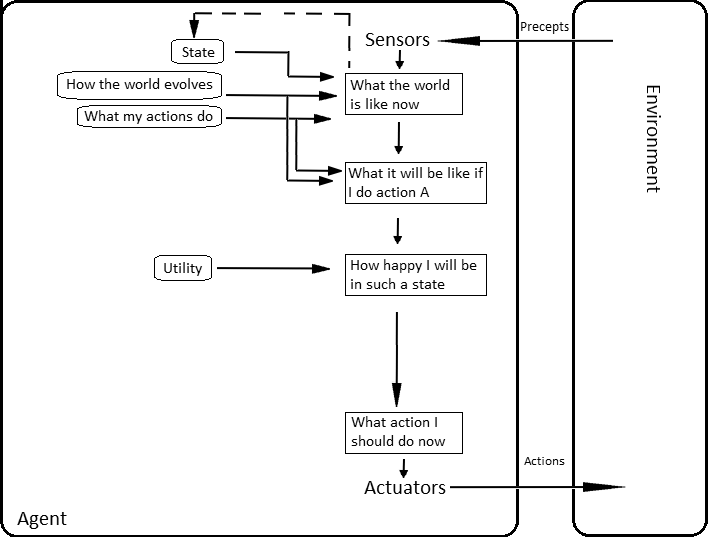
Operating-layer architecture
Forward engineering connects the layers a model alone cannot own.
The system has to carry the workflow, the knowledge, the software, the controls, and the people who operate it.
- 01 Model layer Hosted APIs, open models, local runtime, specialized models, and model-routing choices.
- 02 Knowledge layer Documents, policies, procedures, tickets, product content, records, databases, and source freshness.
- 03 Software layer Screens, portals, dashboards, APIs, legacy bridges, commerce connections, and service-oriented modules.
- 04 Governance layer Permissions, audit trails, human review, blocked actions, escalation, rollback, and operating records.
- 05 Business layer Owners, staff, customers, support paths, launch decisions, and the improvement rhythm after handoff.

Start here
Claim the operating layer before AI pressure claims it for you.
Bring one workflow, one data problem, one failed AI attempt, or one expensive manual process. Folium will help define the first forward-engineered path from confusion to capability.
- 01 Scope
- 02 Build
- 03 Prove
- 04 Operate